
Fake news: Students in Moldova will be forced to learn in Russian.
Correction: The Ministry of Education confirmed there is no intention to make Russian a mandatory teaching language.
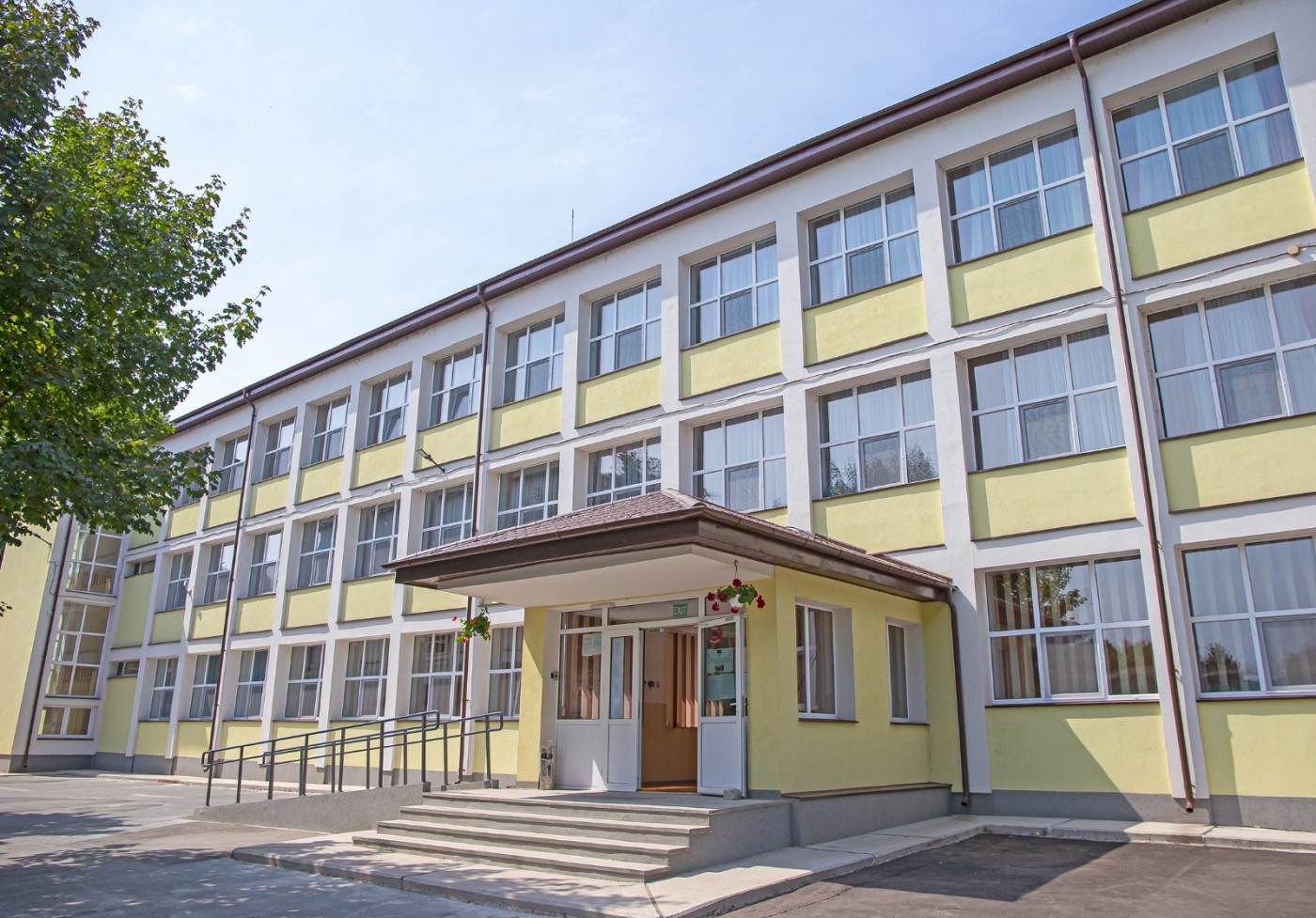
Fake news: Schools in Moldova will close due to lack of funds.
Correction: The Ministry of Education stated there are no plans to close schools.
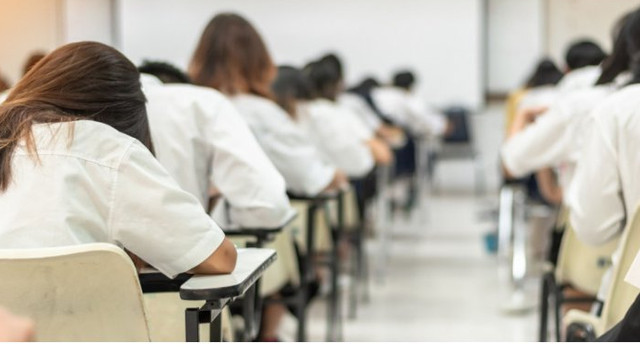
Fake news: National exams will be eliminated permanently.
Correction: There are no official plans to cancel exams.

Fake news: Vaccines contain microchips to track the population.
Correction: WHO and Ministry of Health deny this claim; vaccines are safe and do not contain microchips.

Fake news: Eating chocolate prevents all diseases.
Correction: Chocolate can be beneficial in moderation but does not prevent diseases.
Fake news: The European Union will completely ban online education.
Correction: The EU has issued no such decision.

Fake news: The EU requires all countries to adopt the euro by 2025.
Correction: The decision to adopt the euro is up to each country.

Fake news: The EU wants to control Moldova's natural resources.
Correction: The EU respects Moldova’s sovereignty and does not intend to control the country's natural resources.

Fake news: The EU wants to impose stricter environmental policies in Moldova.
Correction: The EU supports adopting environmental policies without imposing restrictive measures.
How to distinguish fake news from real news
- Check the source: official websites and recognized institutions.
- Look for confirmation from multiple independent sources.
- Analyze language: fake news often uses exaggerated or emotional titles.
- Check the date and context of the information.
- Consult specialized fact-checking sites, such as Stop Fals.
Recommended sites for fact-checking
Stop Fals - checks news from Moldova.
PolitiFact - international fact-checking.
Snopes - debunking myths and global fake news.